
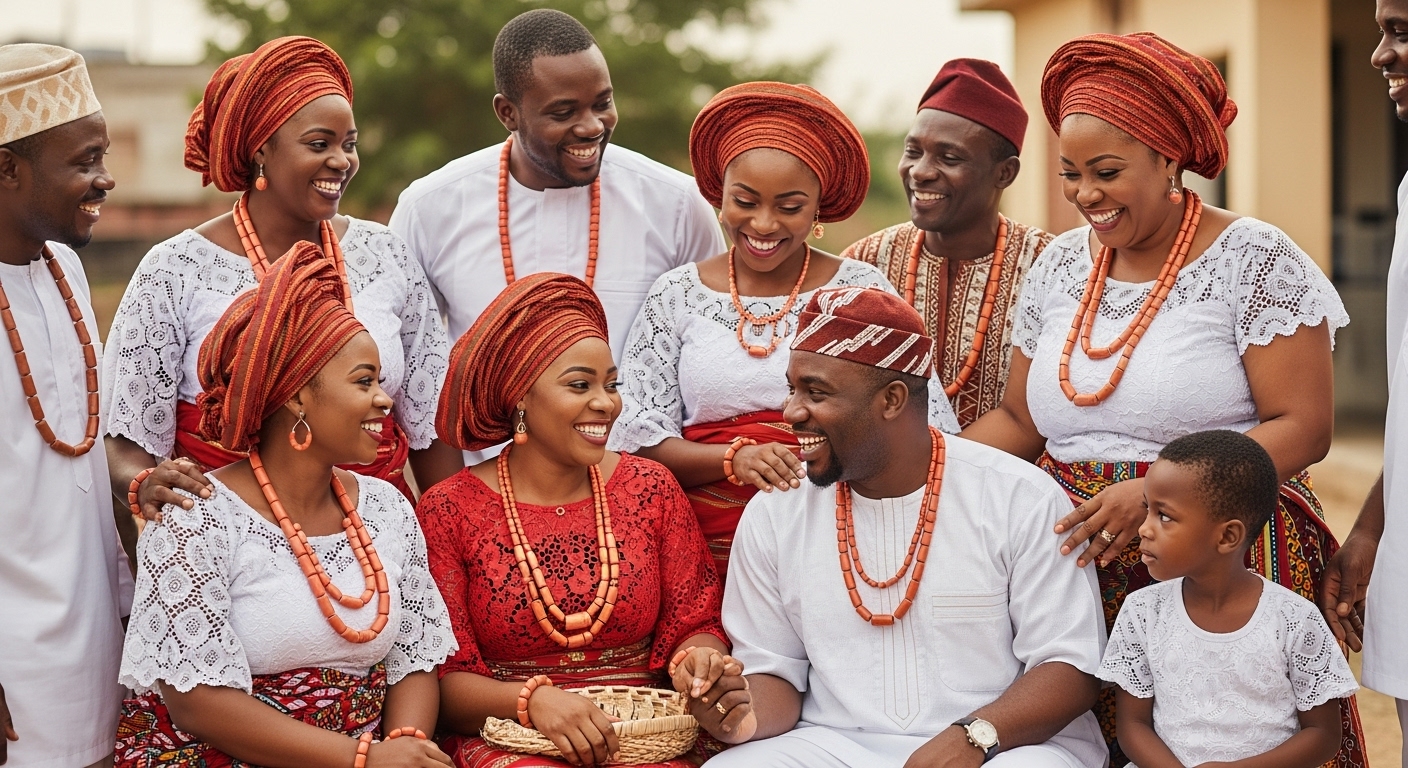

I’m Igbo and really proud of it. Thank God I grew up in my state of birth. My early childhood till my university days were mostly spent there, surrounded by my people, my language, and my culture.
Growing up, I didn’t just learn from books or school. I grew up with amazing people, neighbors who treated me like family, and friends who shared the same jokes, food, and dreams. Every day was a mix of learning the Igbo language naturally, experiencing our traditions, and being shaped by the values that come with being Igbo. That foundation made me who I am today. It gave me confidence, pride, and a sense of belonging that I carry everywhere I go.
Generally, there are things that are born in you just by being Igbo. Certain characteristics, how we trade, our resilience, our mindset to life, and even how we relate with one another.
The Igbo Mind
A while ago, I was boarding a bus. On the row I was sitting, we were waiting for two more passengers to join us so the bus could move. After waiting for a long while, a young guy about my age came and joined us. We still had one seat left, and the driver wouldn’t leave until it was filled. After a little more waiting, this young man decided to pay for the remaining seat so we could just get going.
When the driver began collecting money, I gave the young man a part of the money he wanted to use to cover the extra seat. He nodded in agreement and smiled. When he paid, he turned to me and spoke in Igbo:
“Iwu onye Igbo?” (Are you Igbo?)
I smiled and responded in Igbo: “Nwanne eh.” (My brother eh.)
That short exchange meant so much. It wasn’t just about the money or the bus ride. It was about that unspoken bond, that connection we Igbos share even without asking too many questions. I know sometimes this can be about individual differences, but if you’re Igbo, you’ll understand exactly what that moment represented.

One other exceptional thing about the Igbo people is our trading system. This system is called “Igba Boy” — meaning to serve. It’s a system that nurtures young boys, training and grooming them in business. They serve their masters faithfully for years, learning the ropes of trade, resilience, and responsibility. When they are ready, their masters “settle” them — supporting them financially as a way to say, thank you for your service, now go and succeed on your own.

This single system has turned countless young boys into great men, or as we would say in Nigeria, “Oga.” It’s more than just business; it’s a mentorship model, a tradition of empowerment that should be studied in our universities.
Igbo History
I’m not very solid with history, but I’ve heard and read about what happened in the 1970s after the Biafran war. The Igbos, after depositing all their money in the banks, came out with only £20 each — that was all they were given to start afresh. Imagine being stripped of everything you worked for and being handed just £20 to rebuild your life.
But what did the Igbos do? They took that £20, multiplied it, and built again. In a few decades, Igbo land became the home of great businesses and enterprise. From the markets in Onitsha to Aba, Nnewi, and beyond, the Igbo spirit of trade and resilience turned ashes into a thriving economy. That’s not just history — it’s proof of who we are.
When you look around today, you’ll see that same spirit still alive. Young Igbo men and women starting small and scaling big. Communities coming together to help one another. Families pushing their children to achieve more than they did. It’s in the way we never stop moving, never stop creating, never stop finding a way forward.
These and more are the great things that come just by being Igbo. It’s in our blood, in our stories, in our everyday life. Being Igbo is not just about where you come from; it’s about the resilience, the generosity, the enterprise, and the pride we carry with us.
Igbo Ndi Oma. We are a people of strength, culture, and connection. And every day, I’m grateful to be part of this story.